Furniture Pick-Up in London
If you need furniture picked up in London, you probably want one thing first: a service that turns a bulky, stressful job into something simple and predictable. Whether you are clearing out a flat after a move, replacing a sofa that no longer fits your space, emptying an office floor, or arranging a one-off item collection, a local furniture pick-up service can save time, reduce hassle, and help you deal with heavy items safely. In a city like London, where staircases can be narrow, parking can be limited, and access can change from one street to the next, having an experienced team matters.
Furniture collection is often needed at short notice. A landlord may need a property cleared between tenancies. A tenant might need an old bed removed before move-out day. A business may have desks and chairs to remove during an office refurbishment. Many homes across London—from compact flats in Islington and Hackney to larger family houses in Wandsworth, Ealing, and Barnet—have items that are too awkward or too large for standard transport. That is where Furniture Pick-Up in London becomes a practical, time-saving solution for everyday customers.
Choosing the right service is not just about lifting and loading. It is about arranging collection at a time that suits you, understanding what needs to be removed, planning around access, and making sure the process is handled in a tidy, respectful way. For local residents and businesses, a reliable furniture removal team can make a real difference when there is pressure to clear space quickly and safely.
Why local furniture collection matters in London

London is unlike many other cities when it comes to furniture collection. Streets can be busy, parking permits may be required, and loading bays are not always easy to use. In some neighbourhoods, a van can stop right outside; in others, the team may need to work from a side street, a courtyard, or a shared entrance. That is why a local team with experience in the capital is often better placed to manage the job smoothly.
Flat access is another major consideration. Many London properties have multiple floors, small lifts, basement conversions, or narrow hallways that make moving furniture difficult. A professional pickup service understands how to handle bulky items like wardrobes, mattresses, sofas, dining tables, bookcases, filing cabinets, and office desks without causing damage to walls, floors, or communal areas. This local know-how saves time and reduces disruption.
There is also the question of timing. London customers often need same-day or next-day help because property move dates, end-of-tenancy deadlines, office refits, and renovation schedules do not always leave much room. A local furniture pick-up provider can usually respond more flexibly than a service coming from outside the area. That makes it easier to book a slot that fits your schedule and the realities of London traffic.
What our furniture pick-up service can include

Furniture pick-up in London can cover a single item or a full load, depending on what you need removed. Many customers start with one piece—perhaps a broken sofa, an old mattress, or a chest of drawers that will not fit in a new place. Others need a larger clearance after a move, refurbishment, probate, or office rearrangement. The service can be adapted to the size and type of job.
Typical items collected include:
- Sofas, armchairs, recliners, and sofa beds
- Beds, mattresses, headboards, and bed frames
- Wardrobes, chests of drawers, and bedside cabinets
- Dining tables, chairs, and sideboards
- Desks, office chairs, filing cabinets, and meeting furniture
- Bookshelves, storage units, and cabinets
- Garden furniture and patio pieces
- Mixed household furniture from rooms, lofts, or garages
Depending on your needs, the team may also help with loading, moving items from inside the property to the vehicle, and separating different types of furniture for recycling, reuse, or disposal routes. If you have a mixture of items, such as a bed frame, a damaged chair, and a desk from a home office, it is usually easier to arrange them together in one collection rather than dealing with them separately.
Who uses furniture pick-up in London?
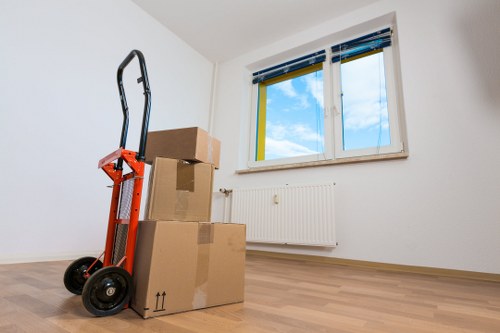
This service is used by a wide range of London customers. Homeowners often need furniture removed when updating a room, changing layouts, or replacing old items that no longer match their space. Renters may need help at the end of a tenancy when they are required to leave a property clear and ready for handover. Families may also need support after downsizing, sorting out inherited furniture, or managing bulky items that have become difficult to store.
Commercial customers also rely on furniture collection. Offices across central and outer London often need desks, chairs, storage units, and breakout furniture removed during refurbishments, relocations, or downsizing. Shops, studios, cafés, and hospitality spaces may need bulky furniture collected when refreshing their interiors. Letting agents and landlords also book collections when preparing a property for new occupants or dealing with left-behind items.
In short, the service is useful wherever furniture needs to leave a property quickly, safely, and with minimal disruption. That includes busy office blocks in the City, residential terraces in Clapham, mansion blocks in West London, converted warehouses in Shoreditch, and suburban homes in South London and beyond.
How the service works
Most customers want a simple process. A good furniture pick-up service should make it easy to describe what needs to go, arrange a suitable collection time, and complete the removal efficiently. While exact steps can vary, the process generally follows a straightforward pattern designed to keep the job clear and manageable.
The first step is usually to identify the items. You may need to list what furniture you want removed, explain where it is located, and mention any access issues such as stairs, narrow hallways, permit-only streets, or limited parking. This helps the team assess the collection properly and plan the right vehicle and number of staff. If you are unsure whether an item can be collected, it is worth asking before booking so there are no surprises on the day.
Next comes scheduling. Many London customers prefer a time window that fits around work, school runs, tenants moving in or out, or building access arrangements. Once the collection is confirmed, the team arrives, assesses the items on site, and gets to work carefully. If the furniture is already on the ground floor or in an easy-loading area, the job may be quicker. If it needs to be carried down stairs or through communal areas, the team will work with added care and attention.
Step-by-step collection process

To make the experience easier to understand, here is a typical collection process for furniture pick-up in London:
- You explain what furniture needs removing and where it is located.
- The collection is arranged for a suitable date and time.
- The team arrives with the right vehicle and equipment.
- The items are checked, lifted, and loaded safely.
- The area is left as tidy as reasonably possible after collection.
In many cases, customers appreciate being able to group several items into one visit. This is especially helpful if you are clearing a flat, changing office furniture, or removing old items before decorating. It can also be helpful when the collection needs to be completed before a property inspection, tenancy check-out, or delivery of new furniture.
When planning the job, it is always better to give accurate details about stairs, lift access, parking, and furniture sizes. That way, the service can be organised properly and completed with less stress on the day.
Preparing for your furniture pick-up

A little preparation can make a big difference, especially in London where access and timing often need to be managed carefully. You do not need to move everything yourself, but it helps to make the collection easier by clearing the path to the items and letting the team know about any obstacles in advance. This is particularly useful in period properties, basement flats, and converted buildings where access can be tight.
Here is a practical checklist to help before collection day:
- Measure large items if you are unsure about their size
- Tell the team whether items are on a floor above ground level
- Check if parking restrictions or permits apply outside
- Remove smaller objects from drawers, shelves, and storage units
- Make sure communal entrances or lift areas remain accessible
- Let the property manager know if advance access approval is needed
Good preparation helps the collection run faster and more smoothly. It also reduces the chance of damage when moving bulky items through narrow spaces. If you are in a busy part of London—such as Camden, Fulham, Stratford, Greenwich, or Kensington—planning around access and traffic can be especially helpful.
If you are clearing furniture from a commercial property, you may also want to coordinate with building management, reception, or maintenance staff so that the team can load items without interrupting other tenants or customers. For office customers, it can be helpful to mark items for removal in advance, especially if some furniture will stay in place while other items are collected.
What affects the cost of furniture collection?
Pricing for furniture pick-up in London can vary depending on several practical factors. Rather than offering a one-size-fits-all approach, a local service usually considers the details of the collection so that the quote reflects the actual job. This is useful because furniture removal can range from a quick single-item pickup to a larger clearance involving multiple rooms or floors.
Common factors that affect price include the number of items, the size and weight of the furniture, the level of access, the number of stairs, and the distance between the property and the vehicle. If items are easy to carry and the property has direct access, the work may be more straightforward. If there is no lift, limited parking, or awkward access through a shared building, more labour may be required.
Other considerations may include urgency, the need for same-day collection, and whether the items need to be moved from inside the property rather than left kerbside. For office collections, the amount of furniture and the requirement to work around business hours can also affect planning. The best approach is to request a clear quote after sharing the details of the items and access conditions.
Why choose a local London furniture pick-up company?
Working with a local company offers several practical advantages. First, there is the local knowledge. London streets are not all the same, and a team that regularly works across the city will understand controlled parking zones, one-way streets, loading limits, and the reality of traffic at different times of day. That experience helps collections run with fewer delays and less confusion.
Second, local teams are often better prepared for the varied types of property found across the city. A job in a mansion block in Notting Hill may require different handling from one in a newer apartment development in East London or a terraced house in Brixton. Local experience means the team is more likely to expect tight stairwells, lift restrictions, or shared entrances before they arrive.
Third, local service is often more responsive. If you need a collection arranged quickly—perhaps before new furniture arrives, before a tenancy ends, or before a refurbishment starts—being able to book with a London-based team can save valuable time. It also means less back-and-forth explaining the same access details to people unfamiliar with the area.
Benefits customers value most
- Flexible collections for homes and businesses
- Better understanding of London access challenges
- Suitable for single items or larger loads
- Helps reduce heavy lifting for customers
- Useful for moves, refurbishments, and clear-outs
For many people, the main benefit is peace of mind. Instead of worrying about how to move a heavy wardrobe down two flights of stairs or where to take an unwanted sofa, you can hand the job to a team used to handling it properly.
Areas covered across London
Furniture collection needs vary from neighbourhood to neighbourhood, but the service is useful across the whole city. Common areas include Central London, North London, South London, East London, and West London, as well as surrounding boroughs and residential districts. That includes busy urban locations, quieter suburban streets, and mixed-use commercial areas.
Customers often request furniture pick-up in places such as Westminster, Camden, Islington, Hackney, Tower Hamlets, Southwark, Lambeth, Wandsworth, Hammersmith and Fulham, Kensington and Chelsea, Brent, Ealing, Hounslow, Greenwich, Lewisham, Barnet, Enfield, Richmond, and Merton. The service is also valuable in areas with new-build apartments, older terraced housing, converted townhouses, and estate blocks where access can differ widely from one property to another.
If you are unsure whether your area is covered, it is usually best to ask when requesting a quote. A local London provider can often work across multiple boroughs and tailor the service to the property type and access conditions involved.
Common situations where furniture pick-up helps
People look for furniture pick-up in London for many everyday reasons. Some are planned, while others are more urgent. For example, a customer may need to remove a sofa before a new one arrives, clear a spare room into a home office, or empty a storage room after years of keeping unused pieces. In rental properties, furniture sometimes needs to be taken away as part of a check-out process, especially where large items are no longer wanted.
Here are some of the most common scenarios:
- End-of-tenancy furniture removal
- After-move clear-outs
- Office furniture replacement or refurbishment
- Downsizing or decluttering
- Probate and property clearance support
- Single-item removal after a delivery replacement
- Bulk furniture collection from homes, offices, or storage spaces
In each of these situations, the main advantage is convenience. Instead of borrowing a van, moving heavy items yourself, and trying to find a disposal option, a professional collection service can handle the work in one visit.
Residential furniture pick-up in London
For homeowners and renters, furniture collection is often about making space quickly and safely. London homes can be compact, and oversized furniture can dominate a room or block movement. A large wardrobe in a small bedroom, a worn sofa in a living room, or a mattress that needs replacing can become a real inconvenience if you do not have a straightforward way to remove it.
Residential customers particularly benefit from a team that respects the home environment. That means working carefully in hallways, protecting surfaces where possible, and being mindful of neighbours in shared buildings. It also means adapting to the practical realities of London housing: basement access, top-floor walk-ups, concierge buildings, and parking restrictions that can affect the speed and simplicity of the job.
Whether you are in a studio flat in Shoreditch, a maisonette in Dulwich, or a family home in Wimbledon, a local furniture pick-up service can be arranged to suit your property and timetable. This makes it much easier to complete the job without disrupting your whole day.
Commercial furniture pick-up for London businesses
Businesses often need furniture collected for reasons that are time-sensitive and operationally important. Offices may need old desks removed to make way for a new layout. Retail spaces might need display furniture cleared before a refit. Hospitality venues may want tables, chairs, and storage units taken away during refurbishments or when changing the interior design.
Commercial pick-ups often need a flexible approach. Collections may need to happen outside trading hours, around staff availability, or with building management approval. In shared office buildings, loading access may be restricted to certain times. A local London team understands these issues and can work around them more effectively than a service unfamiliar with the city’s commercial environment.
If your business is clearing multiple floors, replacing office furniture, or preparing a unit for new tenants, arranging a furniture collection service in advance can help keep the process organised. It is also a practical way to avoid clutter building up in corridors, meeting rooms, or storage areas.
Frequently asked questions
Can you collect just one piece of furniture?
Yes. Many customers book a collection for a single item, such as a sofa, mattress, wardrobe, or desk. A one-item pickup is very common in London, especially when space is limited or a replacement item has already been delivered.
Do I need to move the furniture outside first?
Not necessarily. In many cases, the team can collect items from inside the property, including upstairs rooms, basements, or shared entrances. It helps to let the service know in advance so they can plan for access and lifting.
What if I live in a flat with no lift?
That is very common in London. Stairs can be managed, but it is important to mention them when booking so the service can allow enough time and bring the right support.
Can businesses book recurring collections?
Some businesses need repeat furniture pick-ups, especially during refurbishments, office changes, or ongoing property management. If you have regular needs, it is worth discussing the pattern of collections so arrangements can be made more efficiently.
Is furniture collection suitable for end-of-tenancy clearances?
Yes. Furniture pick-up is often booked for tenancy handovers, particularly when items are no longer needed and need to be removed before a final inspection.
How far in advance should I book?
It is best to book as soon as you know what needs collecting, especially if you have a deadline. In some cases, short-notice or next-day collections may be available, but timing depends on schedule and location.
What to look for in a furniture pick-up service
When choosing a furniture collection company in London, it helps to look for practical signs of reliability. Clear communication is important. You should feel confident that the team understands what needs moving, where it is, and whether there are any access issues. A good service should also explain how the collection will be handled and what information is needed before arrival.
It also helps to choose a provider that is comfortable with both domestic and commercial work. Home furniture collections and office clearances can be very different in terms of timing, access, and item types. A service that works across both settings is often better equipped to manage varied requests. Look for a company that listens carefully, asks the right questions, and treats the property with respect.
Ultimately, the right choice should make the job easier for you, not harder. If the process feels complicated before the team has even arrived, that is usually a sign to ask more questions and make sure the service matches your needs.
Ready to arrange your collection?
If you need a reliable solution for furniture pick-up in London, now is a good time to take the next step. Whether you are dealing with a single bulky item or a larger furniture clearance, a local team can help you get the space back without the stress of doing it alone. From flats and family homes to offices and commercial units, the service is designed to be practical, flexible, and suited to the realities of London living.
Contact us today to discuss your collection, check availability, and request a free quote. If you are ready to clear space, reduce clutter, or prepare a property for its next stage, book your service now and get the process started.
For customers across the capital, furniture pick-up in London is one of the easiest ways to remove bulky items without disruption. From planning around parking to managing stairs and tight access, a local service can make the whole experience smoother from start to finish.
Final note for London customers
When you are choosing a furniture collection service, think about the practical details that matter most in the city: access, timing, property type, and how quickly the job needs to be done. Those details are what turn a difficult collection into a straightforward one. If your furniture is ready to go, a local pickup can help you reclaim space and move on with less effort.
Simple, local, and built around your needs
Request a free quote today and arrange a furniture collection that works for your London home or business.