Commercial Moves in London: Practical, Local Support for Businesses Relocating Across the Capital
Moving a Business in a Fast-Moving City

Relocating a workplace in the capital is never just about lifting desks and loading boxes. Commercial moves in London involve timing, access, planning, building restrictions, parking controls, and the need to keep staff working with as little interruption as possible. Whether you are moving a small office in Shoreditch, a retail unit in Kensington, a studio in Camden, a clinic in Wimbledon, or a growing company from Canary Wharf to a larger premises, the process needs to be organised around the realities of London life.
That is why local knowledge matters. London is a city of narrow roads, busy loading bays, one-way systems, estate management rules, lift bookings, congestion considerations, and buildings with strict move windows. A team that understands these conditions can help reduce disruption from the start. For businesses, that means fewer delays, better coordination, and a smoother move into the next workspace.
Every commercial relocation is different. Some companies need a full-service move with packing, dismantling, transport, and reassembly. Others only need help with part of the job, such as moving archive storage, IT equipment, furniture, or stock. The right service should fit the size of the business, the type of property, and the schedule available. Commercial moves in London are often time-sensitive, so having a clear plan is not optional; it is essential.
Why Local Experience Makes a Difference

London presents unique challenges that are easy to underestimate until moving day arrives. Commercial buildings in areas like the City, Holborn, Paddington, Southwark, and Victoria can have limited access, tight entrance points, shared service lifts, and building managers who require advance notices and specific procedures. A local mover who deals with these conditions regularly can help you prepare properly and avoid last-minute surprises.
Parking can also be a major issue. Some addresses allow only a short loading period, while others may require permits, booked bays, or timed access. In busier districts, even the journey between the old office and the new premises needs careful scheduling. A local team is often better placed to work around school runs, rush-hour traffic, market days, event closures, and congestion hotspots that can affect the route.
It is not just about transport. It is about knowing how London properties work. Period office buildings, converted warehouses, modern high-rises, serviced offices, shared workspaces, retail premises, and mixed-use properties all bring different logistics. A business move handled with local awareness is usually better coordinated from start to finish, with less pressure on your staff and less disruption to daily operations.
Who Needs Commercial Relocation Services?
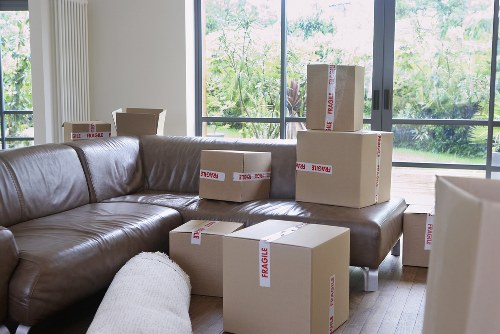
Commercial relocation support is useful for a wide range of organisations across London. Some businesses are moving because they have outgrown their current premises. Others are downsizing, merging departments, opening a second branch, or relocating closer to clients and transport links. The service is also useful for companies whose lease has ended, landlords who need an office cleared, and organisations that need internal moves within the same building.
Typical customers include professional offices, financial firms, creative agencies, medical practices, educational providers, charities, retailers, warehouses, hospitality businesses, and light industrial units. Even smaller businesses can benefit from structured moving support, especially where there is sensitive equipment, confidential files, or limited downtime available. Commercial moves London requests often come from businesses that need the job done outside normal hours, over weekends, or in phases to keep trading going.
Some relocations are straightforward, but many are not. A growing online business might need stock handling and shelving transfer. An architect’s practice may have large-format drawings and specialist IT equipment. A café moving premises may need furniture, fridges, and front-of-house items handled carefully. The more tailored the service, the easier it becomes to keep your business protected during the transition.
What Is Usually Included in a Commercial Move
Services That Help Keep the Move Organised
A well-planned commercial move normally starts well before the vehicles arrive. Most businesses benefit from a pre-move discussion that covers access, timings, inventory, and any specialist needs. Depending on the size and nature of the relocation, the service may include packing support, furniture dismantling, protective wrapping, item labelling, loading, transport, unloading, and setup at the new site.
For office relocations, common items moved include desks, chairs, meeting tables, cabinets, archive boxes, screens, desktop equipment, printers, and kitchen items. Retail moves may involve display units, shelving, tills, stock, and promotional materials. For professional premises, the handling of files, servers, and specialist equipment needs added care. Commercial moves in London are often more efficient when each part of the move is separated into clear stages.
Some services also include coordination with property managers, building concierge teams, and access control requirements. This is particularly useful in shared commercial buildings where move windows are restricted. Good movers can work within those rules while helping your business keep to its own deadlines. When a move is planned properly, the handover between the old premises and the new one feels far less stressful.
How a Commercial Move Typically Works
A Clear Process Makes Everything Easier
Although every relocation is different, most commercial moves follow a similar structure. First comes an initial discussion about the size of the move, the locations involved, and the type of business being relocated. This stage is important because it helps identify access restrictions, specialist equipment, building rules, and any items that need extra handling.
Next, the move is planned around timing. In London, that may mean using early mornings, evenings, weekends, or a phased schedule. The right plan reduces disruption and helps keep teams productive. If needed, different departments or floors can be moved in stages, allowing the business to continue operating while the relocation takes place. That approach is especially useful for offices, showrooms, and businesses with customer-facing services.
On the day, the crew will typically arrive with the right equipment for safe handling, including trolleys, protective materials, and tools for dismantling or reassembly if agreed in advance. Items are loaded carefully, transported to the new site, and unloaded in the planned order. Once on site, furniture and boxes can be placed according to labels or floor plans, which helps staff settle in faster. The aim is not only to move items, but to get your business working again as soon as possible.
Preparing for the Move
Useful Steps for Businesses Before Moving Day
Good preparation can make a huge difference to a commercial move. The more organised you are beforehand, the less downtime you are likely to experience. It helps to appoint one internal contact person who can coordinate communication, answer questions, and make decisions quickly if changes are needed. That person can also keep the rest of the team informed about timing and responsibilities.
Before moving day, businesses should review what needs to go, what can be disposed of, and what should be retained in storage. This is the right moment to clear old files, damaged furniture, unused stock, and outdated equipment. Reducing the volume of items moved can save time and lower pressure on the relocation team. It also gives you a cleaner start in the new premises.
It is also worth checking building requirements at both sites. Ask about lift dimensions, floor protection, service entrance access, loading restrictions, and any documentation needed for contractors. If there are IT systems involved, plan for safe disconnection and reconnection in advance. A detailed checklist is often the easiest way to avoid mistakes. Simple preparation today can prevent disruption tomorrow.
What to Include in Your Pre-Move Checklist
Practical Tasks That Help the Day Run Smoothly
An organised checklist helps everyone know what must be done and when. It does not need to be complicated, but it should cover the key parts of the relocation. Below are useful items many London businesses include in their preparation:
- Confirm the moving date, access times, and building rules for both properties
- Identify fragile, confidential, or specialist equipment that needs extra care
- Label desks, boxes, files, and departments clearly
- Back up digital files and secure key systems before equipment is moved
- Notify staff of packing deadlines and the final working day
- Arrange parking or loading permissions where needed
- Measure entrances, lifts, corridors, and stairwells at the new site
- Separate items for disposal, donation, storage, or relocation
- Prepare a floor plan for the destination if furniture needs placement in specific rooms
- Confirm any after-hours or weekend access that may be required
For larger moves, it can also help to assign department-level responsibilities. For example, each team might pack its own files and desk items while a central coordinator handles shared equipment, key documents, and communication with the moving crew. This simple structure helps avoid confusion and keeps the process moving at the right pace.
Local businesses across London often find that a checklist saves time, reduces stress, and improves handover at the new premises. If you are unsure where to begin, a local commercial moving team can usually help you build a practical plan around your property and business needs.
Specialist Considerations for London Properties
Different Buildings Bring Different Logistics
Not all London commercial premises are built the same, and that matters a great deal during a relocation. A modern office tower in Canary Wharf may have specific lift booking windows and security procedures, while a converted warehouse in Hackney might have stair access, loading constraints, or shared yard space. Retail premises in Oxford Street, Marylebone, or Brixton can require out-of-hours scheduling to avoid disrupting trading, while professional practices in areas like Kensington, Clapham, or Islington may need careful handling of confidential materials and specialist furnishings.
Older buildings can be especially challenging because of narrow hallways, awkward corners, and limited vehicle access. In some cases, moving large furniture or equipment may require dismantling before it can be transported safely. On the other hand, newer premises may have more advanced access systems and more rigid rules for contractors. Either way, local experience matters because it helps the move team understand the property before arriving.
Parking and loading in London can be just as important as the items being moved. A short walk from the vehicle to the building entrance may sound minor, but it can affect timing, labour, and safety if it is not planned carefully. That is why commercial relocation support in the capital should always account for the property type, street layout, and move window from the start.
Commercial Moves for Offices, Retail, and Specialist Premises
Tailoring the Service to the Type of Business
Office moves usually require a mix of efficiency and care. Staff furniture, monitors, files, meeting room items, and shared equipment all need to be moved in an organised way so that teams can return to work quickly. Businesses in central districts often need a move that happens with minimal interruption, which is why clear labelling and staged relocation can be so useful.
Retail relocations bring their own demands. Fixtures, shelving, stock, displays, tills, and signage all need to be managed carefully, often in coordination with trading schedules. For hospitality businesses, the move may involve dining furniture, bar equipment, kitchen items, and fragile front-of-house pieces. Light industrial and storage-based businesses may need help with racking, packed inventory, and heavier handling requirements.
Some services also support specialist environments such as clinics, studios, educational settings, and shared workspaces. These properties often need extra attention to cleaning, access, or confidentiality, and sometimes the move must be completed in phases. Whatever the business type, the service should be adapted to protect your operation and make reopening easier.
Why Businesses Choose a Local London Team
Support That Fits the Reality of the Capital
A local team can be a valuable partner because they understand the details that affect a London move. They know how to work around traffic patterns, how different boroughs manage access, and how commercial landlords and building managers often expect moves to be arranged. They are also better placed to respond quickly if timings change or if access conditions become more complicated than expected.
Local service is also helpful when you need flexibility. A business may need an early start in Farringdon, a late finish in Westminster, or a weekend move in Battersea. The ability to adapt around the city’s pace can be the difference between a smooth relocation and a stressful one. For many companies, that flexibility is just as valuable as the physical move itself.
There is also reassurance in working with a team that understands the wider area around your premises, from busy central zones to outer districts such as Ealing, Greenwich, Hammersmith, Lewisham, Richmond, and Stratford. Commercial moves London customers often want practical help from people who know the streets, the buildings, and the pressures that come with working in the capital.
Pricing Factors to Expect
What Can Affect the Cost of a Commercial Move
Every business relocation is priced according to its own requirements, and it is best to request a tailored quote rather than assume a standard rate. Several factors can affect the overall cost. These include the size of the premises, the number of items to move, the amount of packing needed, the distance between locations, access difficulty, floor level, lift availability, parking conditions, and whether the move needs to happen outside normal hours.
Specialist items can also affect planning. Heavy filing cabinets, large workstations, fragile equipment, or items that need dismantling and reassembly may take more time and labour. If the relocation includes storage, phased delivery, or disposal of unwanted items, that can influence the quote too. Businesses should also consider whether they need temporary access, weekend cover, or support over multiple days.
Clear information at the quotation stage helps everyone. The more accurately you describe the move, the easier it is for the moving team to plan properly and give a realistic proposal. If you are gathering quotes, make sure each provider understands the property type, the move size, and the constraints at both ends of the journey. That will help you compare services fairly and choose the most suitable option.
What Makes a Good Commercial Moving Service
Signs of a Reliable and Professional Approach
When selecting help for a business relocation, look for a service that asks the right questions before giving advice. A good team should want to know about access, timing, building rules, item types, and the level of support you need. They should be able to explain how the move will be structured and what you need to do before moving day.
Professionalism also shows in the details. Items should be handled carefully, floors and entrances should be treated with respect, and staff should know how to manage busy commercial environments. In a city like London, where many buildings share entrances and service routes, courtesy and coordination matter a great deal. The best movers understand that they are working around an active business, not simply moving boxes from one place to another.
Another useful sign is the ability to adapt. A good moving team should be ready for common London issues such as restricted parking, lift delays, congested roads, and last-minute building instructions. Flexibility, planning, and clear communication are what customers usually value most.
Areas Covered Across London
Serving Central, North, South, East, and West London
Businesses needing commercial relocation support are found all across the city, from the centre to the outer boroughs. A local service can cover a wide range of postcodes and business districts, including areas such as the City of London, Westminster, Southwark, Camden, Islington, Tower Hamlets, Hackney, Lambeth, Kensington and Chelsea, Hammersmith and Fulham, Wandsworth, Lewisham, Greenwich, Croydon, Ealing, Brent, Hounslow, Barnet, Redbridge, Richmond, and beyond.
This broad reach matters because commercial customers do not all operate in the same part of town. Some need a move between two central offices, while others are shifting from a high-street location to a business park or industrial unit on the edge of the city. The same team may also help with internal moves within the same building or relocations between nearby branches.
For many clients, convenience is just as important as capability. A team that regularly works across London can help coordinate the move around your location rather than asking you to fit into a rigid schedule. If your business is based near transport links, busy shopping streets, business estates, or mixed-use developments, local support can make planning much easier.
Frequently Asked Questions
Common Questions from London Businesses
How far in advance should I plan a commercial move?
It is best to start planning as early as possible, especially if your building has strict access rules or your business needs a phased move. More time allows for better coordination, staff preparation, and booking of any required access windows.
Can a commercial move be done outside normal working hours?
Yes, many businesses prefer evenings, early mornings, or weekends to reduce interruption. This is particularly common in busy parts of London where trading or office activity needs to continue during the day.
What happens if the new building has lift restrictions?
That is usually factored into the plan before moving day. A local mover should ask about lifts, stair access, service entrances, and loading arrangements so the right method can be used.
Do I need to pack everything myself?
Not always. Some businesses choose to pack internal files and personal items themselves, while the mover handles furniture, equipment, and larger items. Others prefer a full packing service. The right choice depends on your schedule, budget, and the sensitivity of the items.
How do I reduce downtime during the move?
Clear labelling, early planning, staff coordination, and a phased move can all help. It is also useful to prioritise essential items so work can resume quickly in the new premises.
Can commercial movers help with office furniture assembly?
Yes, many commercial moves include dismantling and reassembly of desks, tables, and other furniture where agreed. This can save time at the destination and help staff settle in sooner.
Is storage useful during a business move?
It can be, particularly if you are downsizing, refurbishing, or moving in stages. Storage may also help if the new premises are not ready for everything on the same day.
Book a Move That Fits Your Business
Ready to Plan Your Next Step?
If your company is preparing for a relocation, the best time to get organised is now. Commercial moves in London work best when the plan suits your building, your schedule, and the way your team operates. From office furniture and IT equipment to retail stock and specialist items, a tailored service can help your move feel far more manageable.
Whether you are moving across the street, across the borough, or across the city, local support can make the process simpler and more controlled. You can request a free quote, discuss the access details, and outline the level of support you need. That first conversation is often the easiest way to identify what the move will involve and how to keep it on track.
Contact us today to discuss your commercial relocation needs, or book your service now if you are ready to plan the next stage. A well-prepared move protects your time, your property, and your peace of mind.
Helpful Final Notes
Keep the process clear, keep the schedule realistic, and choose a team that understands London. Those three things can make a significant difference to how smoothly your business move goes. For many local customers, the value of a good commercial moving service is not just in the transport, but in the confidence that comes from having the job handled properly.
From first planning to final placement, the right support helps your business get back to work faster.
If you are comparing services, ask about access planning, packing support, furniture handling, and move timing so you can choose the option that suits your premises best.