South Kensington Removals Guide for Narrow Streets and Parking
Moving in South Kensington is rarely a simple lift-and-load job. Between tight residential streets, limited stopping space, garden squares, one-way systems, and the general reality of London traffic, a removal can turn awkward very quickly if the plan is vague. This South Kensington Removals Guide for Narrow Streets and Parking is designed to help you avoid the usual headaches and move with far less stress.
Whether you are leaving a studio near Exhibition Road, moving into a basement flat by the museum quarter, or helping a family relocate from a townhouse with barely a front forecourt, the same truth applies: the move succeeds or fails on planning. And parking, to be fair, is usually the make-or-break detail. In this guide, you will find practical advice on vehicle choice, loading strategy, access checks, timing, and the small decisions that save a lot of grief on moving day.
If you are still comparing service options, it can help to look at broader support too, such as removal services, man and van, or home moves. For larger relocations, house removals and office removals are worth reviewing as well. Different moves need different tactics. Simple enough, but it matters.
Table of Contents
- Why South Kensington Removals Guide for Narrow Streets and Parking Matters
- How South Kensington Removals Guide for Narrow Streets and Parking Works
- Key Benefits and Practical Advantages
- Who This Is For and When It Makes Sense
- Step-by-Step Guidance
- Expert Tips for Better Results
- Common Mistakes to Avoid
- Tools, Resources and Recommendations
- Law, Compliance, Standards, or Best Practice
- Options, Methods, or Comparison Table
- Case Study or Real-World Example
- Practical Checklist
- Conclusion
- Frequently Asked Questions
Why South Kensington Removals Guide for Narrow Streets and Parking Matters
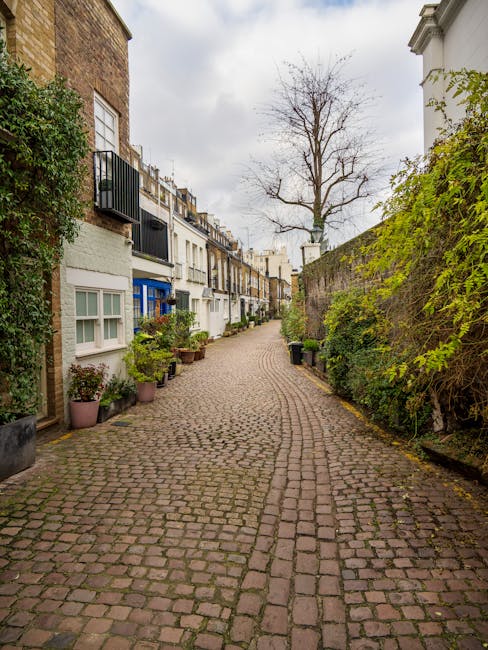
South Kensington has a lot going for it: elegant streets, convenient transport, and a mix of period homes, apartments, and commercial premises. But the same features that make it attractive also make moving challenging. Streets can be narrow, the kerb space can disappear in a hurry, and access may be awkward for anything larger than a compact moving van. If you arrive without a plan, you can burn time circling the block, block traffic, and create avoidable pressure for everyone involved.
The parking side is just as important as the packing side. A move that looks manageable on paper can become messy if the vehicle cannot legally or safely stop close to the entrance. That means extra carrying distance, more lifts up stairs, and more risk of damage to furniture, walls, and people's backs. Nobody enjoys hauling a wardrobe through a tight hallway because the van had to park half a street away.
In practice, the neighbourhood rewards careful, unhurried planning. You need to think about road width, turning radius, bay availability, timing restrictions, building access, and whether your chosen vehicle can actually fit where you expect. A professional removal company will usually help assess that in advance, but it is still worth understanding the basics yourself. It keeps you in control, and that's a good feeling when the day starts early and the kettle has not even boiled yet.
Key takeaway: In South Kensington, moving success is less about speed and more about access. Get the vehicle, parking, and loading plan right first, and everything else becomes much easier.
How South Kensington Removals Guide for Narrow Streets and Parking Works
The process is really a sequence of practical checks. First, you assess the property. Then you match the vehicle to the street and the amount of furniture. After that, you plan where the van can stop, how long loading will take, and how the move will be carried out without blocking traffic or creating a safety issue. It sounds straightforward, and mostly it is, but the detail makes the difference.
A sensible South Kensington move normally starts with a look at the building entrance and the surrounding road layout. Is there a front garden, a paved forecourt, or a tight entrance directly onto the pavement? Are there railings, steps, low walls, or a narrow passage to the rear? These details affect whether you need extra hands, furniture protection, or a smaller vehicle. They also affect the timing, because walking items across a long distance costs time quickly.
Then comes parking. In London, parking is often part logistics, part patience. Depending on the road, you may need to use marked bays, arrange temporary loading space, or work within a short stop window. The point is not to guess. The point is to know. A little pre-planning here can save you from a moving truck sitting nowhere useful while everyone fidgets.
For many homes, a moving van or removal van is the better fit than a larger truck. Smaller vehicles are easier to place near narrow kerbs and more realistic on roads where turning room is tight. For heavier or more complex moves, movers who understand London access issues can make the whole thing far calmer.
Key Benefits and Practical Advantages
There are a few clear advantages to approaching a South Kensington move properly rather than hoping for the best. The first is obvious: less stress. When parking is sorted and access has been checked, the day feels manageable instead of chaotic. That alone is worth a lot.
The second benefit is speed. A van parked close to the property can cut down carrying time dramatically. That means fewer trips, less fatigue, and a better chance of finishing on schedule. It also helps protect fragile items, because every extra metre from van to front door is another chance for something to wobble or be dropped.
The third benefit is cost control. If the crew spends less time searching for parking or carrying items long distances, the move can often be completed more efficiently. That does not magically make London cheap, let's be honest, but it does help you avoid paying for wasted time.
There is also the matter of neighbour relations. South Kensington is not the place to treat the street like a private loading bay. A respectful, tidy setup helps reduce complaints and keeps everyone happier. If you are moving out of a flat or townhouse with shared frontage, that kind of courtesy matters more than people think.
- Shorter carrying distances
- Lower risk of damage to furniture and walls
- Better control of timing on moving day
- Less disruption to neighbours and road users
- More accurate quoting when access has been assessed properly
Who This Is For and When It Makes Sense
This guide is useful for anyone moving in or out of South Kensington, but it is especially relevant if your property has awkward access, you live on a narrow residential street, or you have large pieces that will not enjoy a tight staircase. Period buildings, basement apartments, maisonettes, and upper-floor flats are all common situations where a careful plan matters more than raw manpower.
It is also helpful if you are moving a business. Small offices, practices, studios, and consulting rooms often need a clean handover with minimal downtime. In those cases, the vehicle and parking plan becomes part of operational continuity, not just moving logistics. You can explore broader support through commercial moves or office relocation services if the move involves desks, files, IT gear, or sensitive equipment.
Families with children, older residents, and people moving on a strict schedule also benefit from this approach. Why? Because the day is already full enough without adding extra unknowns. If the move has to happen between school runs, work hours, or building access windows, you need a plan that respects those constraints from the start.
If you are only moving a smaller load, a more compact option such as man with a van or man with van removal may be enough. For larger family homes, it may be wiser to use a fuller team and a bigger vehicle. There is no prize for choosing the wrong setup just to look organised.
Step-by-Step Guidance
1. Survey the property and street
Start with a realistic look at the entrance, pavement width, road layout, and any obstacles near the property. Check for low branches, lamp posts, parked cars, resident-only bays, or bends that might affect vehicle access. If possible, look at the street at the same time of day your move will happen. Morning and late afternoon can feel very different in London.
2. Measure the largest items
List the bulky items first: wardrobe, sofa, mattress, dining table, fridge-freezer, office cabinet. These determine the size of vehicle and the number of movers you need. A move is always easier when you think in terms of your biggest pieces rather than the total number of boxes.
3. Decide on the vehicle type
If access is tight, smaller is often better. A compact removal van may be far more practical than a larger truck. For heavier loads, something like removal truck hire may be suitable, but only if the street and parking conditions allow it. The best vehicle is the one that can actually get close enough to do the job efficiently.
4. Confirm parking and loading arrangements
Do not leave parking until the last minute. Decide where the van will stop, how long it can remain there, and whether loading needs to be done in stages. If you are unsure about the local setup, speak with the building manager, concierge, landlord, or someone familiar with the street. A 10-minute conversation can save an hour of confusion later.
5. Prepare the packing route inside the property
Think about how items will move from each room to the exit. Remove loose rugs, hold doors open where appropriate, protect corners, and clear the path. If you have narrow hallways or awkward turns, measure them. It is surprising how often a sofa becomes a geometry problem at the front door.
6. Load in the right order
Put heavy items in first, secure them properly, then stack lighter boxes around them. Keep fragile items separated and label them clearly. The aim is stable transport, not a neat Tetris score. Truth be told, I have seen more than one move go sideways because someone packed a box "somewhere safe" and then forgot where safe actually was.
7. Leave a little buffer
Even the best plan can meet a delivery van, a parked car that was not there earlier, or a building access delay. Leave some breathing room in the schedule. Not loads. Just enough to prevent panic. That small buffer is worth more than it looks on paper.
Expert Tips for Better Results
Here is where a bit of lived-in experience helps. First, communicate access details clearly when booking. If the road is narrow, say so. If the building has steps, say so. If parking is frustrating, which in South Kensington it often is, say so early. The more your mover knows, the better they can prepare.
Second, keep the day organised by zone. Put essentials in one place, fragile items in another, and items going into storage in a separate pile if needed. That way, nobody wastes time asking whether a box belongs in the van or on the kitchen floor. It sounds obvious. It isn't always obvious at 7:30 in the morning with boxes everywhere.
Third, use the right help for the right job. If you are moving a few items, furniture pick up can be a practical option. For a fuller house move, house movers or house removalists may be better suited. Matching the service to the actual move is one of the easiest ways to reduce waste.
Fourth, protect the property as well as the furniture. Narrow South Kensington entrances often have painted skirting, polished rails, or tight stair edges that can scuff quickly. Use blankets, wraps, and proper handling. The move should not leave the old place looking like it lost a fight.
And lastly, keep things calm. Moving day has enough moving parts already. If one detail slips, breathe, solve the immediate problem, and carry on. A steady pace almost always beats a rushed one.
Common Mistakes to Avoid
The most common mistake is assuming parking will "work itself out." It usually does not. If you arrive in a South Kensington street without a plan, you may spend the first half-hour just figuring out where the vehicle can sit without becoming everyone's problem.
Another mistake is using a vehicle that is too large for the street. Bigger is not automatically better. In narrow roads, an oversized truck can create more problems than it solves. That means extra reversing, awkward turns, and more distance between the van and your front door.
People also underestimate carry distance. Even a 30-second walk from van to entrance can add up with dozens of boxes. If you are moving from an upper-floor flat, that extra distance can feel enormous by midday.
Then there is poor packing. Weak boxes, overfilled bags, and loose items tend to fall apart when the day gets busy. That is not just annoying; it can slow everything down and increase the chance of damage. Use decent materials and pack by weight, not by hope.
Finally, many people do not ask enough questions when getting a quote. A proper quote should account for access, volume, and timing. If a provider has not asked about the street or building, that is worth pausing over. It may still be fine, but you want clarity before moving day, not after the van is already outside.
Tools, Resources and Recommendations
You do not need fancy equipment to handle a South Kensington move well, but a few practical tools make life easier.
- Measuring tape: useful for confirming furniture size, stair width, and doorway clearance.
- Labels and markers: helpful for room-by-room sorting and fragile items.
- Furniture blankets and straps: reduce scuffs and keep items stable in transit.
- Cleaning cloths and basic dust sheets: good for protecting floors and surfaces during loading.
- Reusable boxes or strong cartons: better than weak, overstuffed alternatives.
If you want packing help, packing and unpacking services can save time and reduce the number of things that go wrong on the day. If you need a broader moving service, removals and man and van removals are worth considering depending on the size and complexity of the job.
For pricing clarity, it is sensible to check pricing and quotes in advance rather than guessing. And if you care about waste reduction, look at recycling and sustainability so unwanted packaging and old items are handled responsibly.
Law, Compliance, Standards, or Best Practice
For removals in South Kensington, the main compliance concerns are usually parking, traffic safety, property access, and insurance rather than anything highly technical. Still, best practice matters. Vehicles should be parked lawfully, loading should not create unnecessary obstruction, and items should be handled safely to reduce the risk of damage or injury.
Building rules can matter too. Some blocks and managed properties have time windows for moves, lift bookings, or specific instructions for loading bays and service entrances. These are not always legal rules in the formal sense, but they are important operational rules. Ignore them at your peril. Or at least at your inconvenience.
Insurance is another sensible consideration. You want to know what happens if an item gets damaged, a wall gets marked, or an accident occurs during lifting. It is wise to review the provider's insurance and safety information and also their health and safety policy. For service terms, terms and conditions should spell out the basics clearly.
In short, a good move in a busy London area is one that respects the street, the building, and the people involved. That is the standard worth aiming for.
Options, Methods, or Comparison Table
Choosing the right move method depends on access, load size, and how much help you need. Here is a simple comparison to make that easier.
| Option | Best for | Pros | Trade-offs |
|---|---|---|---|
| Small van / man and van | Light moves, studios, a few bulky items | Easier to park, flexible in narrow streets, often faster in tight areas | Limited capacity, may need more trips |
| Standard removal van | Typical flat or house moves | Good balance of space and access, suitable for many South Kensington streets | Still needs careful parking planning |
| Larger removal truck | Bulkier family or office relocations | More capacity, better for big loads | Harder to manoeuvre, may not suit narrow roads |
| Full removal team | Complex access, heavy furniture, stairs, time-sensitive moves | More hands, more control, lower physical strain | Usually the most expensive option |
If you are unsure where your move sits, start with the access problem first and the furniture problem second. That order tends to produce better choices. For a lot of South Kensington properties, a moderate vehicle with experienced handlers is simply the sweet spot.
Case Study or Real-World Example
Imagine a second-floor flat near a narrow South Kensington terrace. The resident has a sofa, a dining table, two wardrobes, and a fair few boxes of books. A larger lorry could technically carry everything, but the street is tight and parking is limited. Instead of forcing a big vehicle into an awkward position, the move is planned around a smaller van parked as close as possible to the entrance.
The team checks the approach, protects the hallway corners, and loads the heaviest items first. The client clears the corridor the night before, labels boxes by room, and keeps essentials in a separate bag. There is no drama, no long queue of unnecessary trips, and no frantic search for parking after arrival. The whole process still takes effort, of course, but it stays controlled.
Now compare that with a rushed version of the same move. The vehicle is too large, parking is guessed at the last minute, and the movers spend time waiting while someone tries to sort access. The difference is not subtle. One version feels like a working day. The other feels like a small disaster wearing a hi-vis jacket.
That is why access planning matters so much in this part of London. Small decisions, repeated well, create a much better outcome.
Practical Checklist
Use this checklist before moving day. It is the sort of thing that saves you from obvious mistakes when your brain is already busy.
- Measure the largest furniture pieces
- Check doorway, stair, and corridor widths
- Confirm the loading point and likely parking space
- Choose a vehicle suitable for narrow streets
- Tell the mover about steps, lifts, and access restrictions
- Label boxes by room and priority
- Protect floors, corners, and fragile surfaces
- Set aside essentials for the first night
- Review insurance, safety, and booking terms
- Allow time for traffic and small delays
- Check if packing help would reduce stress
- Keep keys, documents, and phone chargers easy to reach
One small tip: keep a pen, tape, and a bag for screws or fittings in one obvious place. You would be amazed how often those tiny bits go missing right when they matter most.
Get a free quote today and see how much you can save.
Conclusion
South Kensington removals do not need to feel complicated, but they do need to be planned with the street in mind. Narrow roads, limited parking, and older buildings change the whole shape of a move. Once you account for those realities, the day becomes much more manageable.
The main lesson is simple: choose the right vehicle, plan parking carefully, keep access clear, and work with a team that understands London conditions. Whether you are booking a compact van, a full removal service, or support for a larger home or office relocation, the details matter more than the slogans.
In the end, a good move feels almost boring. No last-minute panic. No blocked street. No surprise about where the van can stop. Just a steady, well-run day that gets you from one place to the next without drama. And honestly, that is exactly what most people want.
Frequently Asked Questions
How do I move in South Kensington if the street is too narrow for a large van?
Use a smaller vehicle, plan the parking spot in advance, and keep the loading route as short as possible. In many cases, a compact van is better than trying to force a larger truck into a tight street.
Do I need to arrange parking before a removals team arrives?
Yes, as far as possible. Even when formal parking arrangements are not required, you should still know where the vehicle can stop and whether any local restrictions apply. It reduces delays and confusion.
Is a man and van service suitable for South Kensington removals?
Often, yes. A man and van setup can be a very good fit for smaller moves or streets with limited access. For larger homes or office relocations, you may need a bigger team or vehicle.
What is the best time of day to move in South Kensington?
Earlier is usually better, because traffic and roadside congestion tend to build later in the day. That said, the best time also depends on your building rules, parking availability, and any access windows.
How do I know whether my furniture will fit through the building entrance?
Measure the widest items first, then compare them with doorways, stair turns, and corridors. If you are unsure, take photos and share measurements with the removals team before moving day.
What should I do if parking is not available right outside the property?
Plan for a short carry distance and make sure the team knows in advance. Use trolleys or additional hands if needed, and keep fragile items well protected. It is not ideal, but it can still be managed well.
Can I book packing help for a South Kensington move?
Yes. If you are short on time or dealing with lots of fragile items, packing support can be a very sensible choice. It also helps reduce pressure on the day itself.
What kind of vehicle is usually best for narrow London streets?
Usually a smaller or medium-sized van, depending on the load. The right choice depends on access, road width, and how far the van will need to park from the entrance.
How do I reduce damage during a move in a tight property?
Protect corners, use proper wrapping, keep pathways clear, and avoid rushing. Damage often happens during turns, thresholds, and stair carries, so slow and steady is better.
Should I choose a removal company or a man with a van for this kind of move?
It depends on the size and complexity of the job. A man with a van can work well for smaller loads, while a removal company is usually better when there are heavier items, more rooms, or more awkward access.
What should I ask for in a removals quote?
Ask about vehicle size, access assumptions, parking, loading time, insurance, and whether packing help is included. A good quote should reflect the real conditions of the move, not just the number of boxes.
How far in advance should I book a South Kensington removal?
As early as you can, especially if your move date is fixed or you expect access challenges. Early booking gives you more choice on timing and helps the mover plan properly.